Cultural perspectives on gambling Understanding the global variations and attitudes
Historical Context of Gambling
The history of gambling dates back thousands of years, with evidence suggesting that ancient civilizations, such as the Chinese and Romans, engaged in various forms of games of chance. The earliest known gambling artifacts include dice from around 3000 BC, showcasing that the allure of risk and reward has transcended time and culture. As societies evolved, many individuals have enjoyed games like monopoly live, which share elements of strategy and chance, leading to formalized games and betting systems.
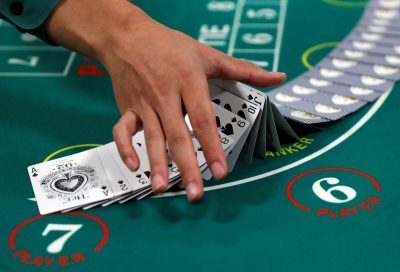
Throughout history, gambling has been intertwined with cultural practices, rituals, and societal norms. In many cultures, it was seen as a means of predicting the future or appeasing deities. However, as gambling spread globally, attitudes shifted, influenced by factors such as religion, economics, and local customs, leading to varying perceptions of gambling in different societies.
Regional Variations in Gambling Attitudes
In the Americas, attitudes towards gambling can vary significantly. For instance, the United States exhibits a complex relationship with gambling, where it is both celebrated and regulated, with states having differing laws regarding casinos, sports betting, and lotteries. In contrast, many Latin American countries view gambling with skepticism, often associating it with corruption and social issues.
Across Europe, the acceptance of gambling also varies widely. Countries like the United Kingdom have a well-established gambling culture, where betting shops and online platforms thrive. Meanwhile, in some Nordic nations, gambling is heavily regulated and often state-controlled, reflecting a more cautious approach to its potential societal impacts.
Gambling in Eastern Cultures
Eastern cultures have unique perspectives on gambling, often influenced by traditional beliefs and societal values. In countries like China, gambling is deeply embedded in culture, with festivities like the Lunar New Year encouraging various betting games, reflecting a communal spirit. However, government regulations in mainland China impose strict limitations on gambling, contrasting with the thriving industry in regions like Macau.
Similarly, in Japan, while traditional games like Hanafuda are popular, modern gambling activities remain heavily regulated. The cultural view often revolves around the balance between enjoyment and the potential for addiction, showcasing a cautious approach that prioritizes social harmony.
Impact of Religion on Gambling Perceptions
Religious beliefs play a significant role in shaping attitudes towards gambling. In Islamic cultures, gambling is generally prohibited under Sharia law, with strong social stigmas attached to it. This prohibition stems from the belief that gambling leads to harmful consequences, such as financial ruin and moral decay. Conversely, some Christian denominations may view gambling as a moral gray area, depending on the context and potential harm involved.
In contrast, certain Indigenous cultures view gambling through a spiritual lens, where games are seen as a way to honor ancestors and connect with the community. This divergence highlights how cultural and religious contexts significantly influence societal attitudes towards gambling, leading to diverse interpretations and practices.

Understanding Gambling Through Cultural Lenses
Exploring cultural perspectives on gambling reveals the multifaceted nature of this activity. Each society offers unique interpretations that reflect its history, values, and beliefs. As globalization continues to blend cultures, the dialogue around gambling evolves, prompting societies to reassess their attitudes toward risk and reward.
The discussion surrounding gambling is not merely about legality or ethics; it encompasses broader themes of human behavior, societal norms, and cultural identity. As we delve deeper into these perspectives, it becomes evident that understanding gambling is essential for fostering healthier conversations about its role in our lives.