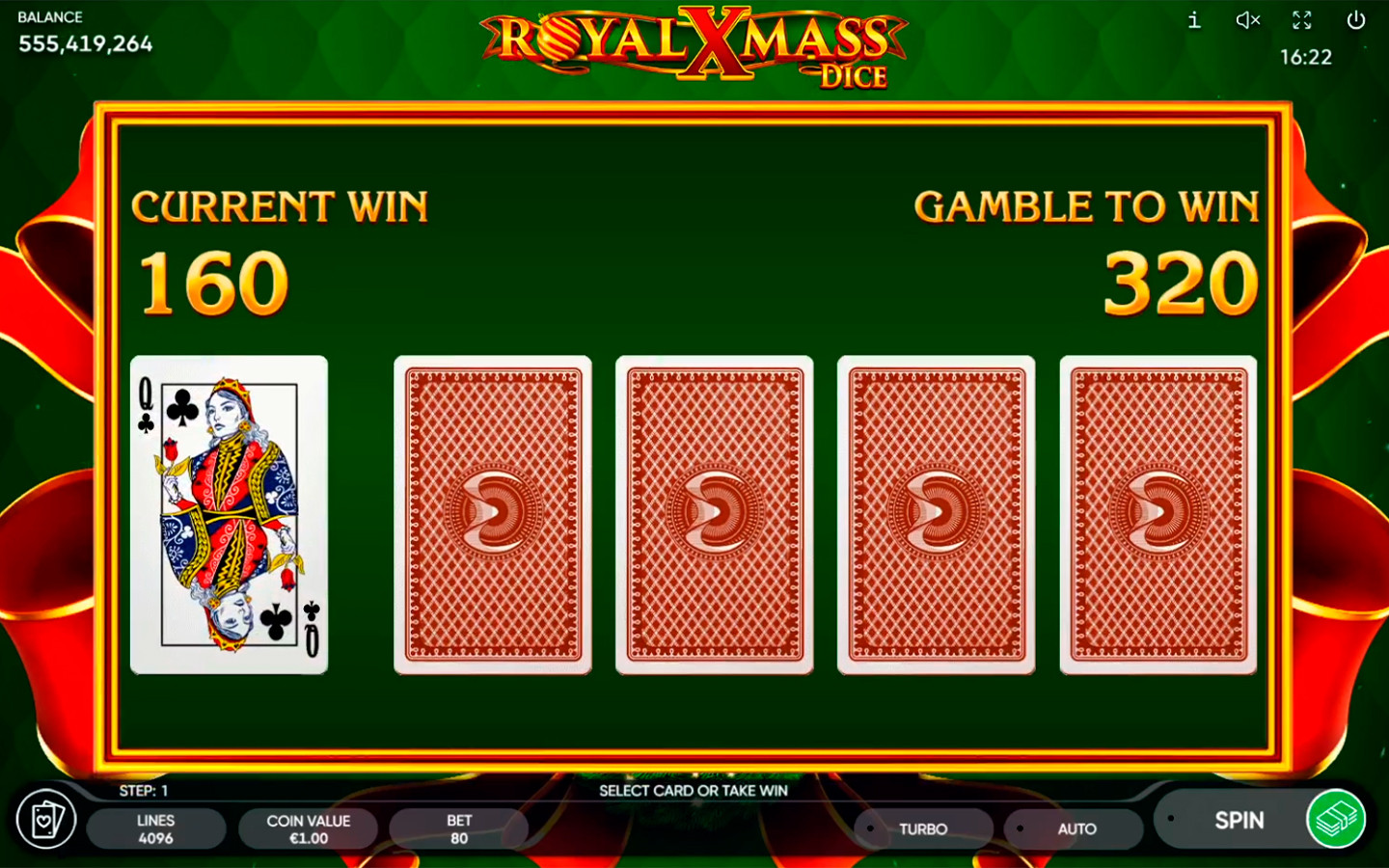
In recent years, the rise of online gambling has led to an increase in interest around the vulnerabilities of digital slot machines. This case study explores the methods that have been employed to hack online casino slot machines, the implications of these actions, and the ongoing battle between hackers and royal xmass casino security.
Online slot machines operate on random number generators (RNGs) that determine the outcome of each spin. While these systems are designed to be secure, hackers have found various ways to exploit weaknesses in the software and the overall system architecture. One common method involves reverse engineering the casino’s software to understand how the RNG operates. By dissecting the code, hackers can identify patterns or flaws that can be manipulated to increase the odds of winning.
Another approach is the use of bots or automated scripts that can simulate human play. These bots can analyze the outcomes of spins and adjust their betting strategies in real-time, exploiting any predictable patterns in the RNG. This method requires a deep understanding of both programming and the specific slot machine’s behavior, making it a complex but potentially rewarding endeavor.
In some cases, hackers have also targeted the online payment systems associated with casinos. By breaching these systems, they can manipulate transaction data to create false wins or to withdraw funds without actually playing the games. This method often involves phishing attacks or malware that compromises user accounts, allowing hackers to siphon off money directly from players’ accounts.
The implications of these hacking methods are significant. For casinos, the financial losses can be substantial, leading to increased scrutiny from regulators and the need for enhanced security measures. For players, the integrity of the games is called into question, which can diminish trust in the online gambling industry as a whole.
In response to these threats, online casinos have invested heavily in cybersecurity. Advanced encryption methods, continuous monitoring of game integrity, and the implementation of machine learning algorithms to detect unusual patterns of play have become standard practice. Additionally, many casinos employ third-party auditors to verify the fairness and security of their games, adding an extra layer of protection against potential exploits.
Despite these advancements, the cat-and-mouse game between hackers and casinos continues. As technology evolves, so too do the methods employed by both sides. Hackers are constantly seeking new vulnerabilities, while casinos are equally determined to fortify their defenses. This ongoing battle highlights the importance of cybersecurity in the online gambling industry and serves as a reminder of the potential risks associated with digital gaming.
In conclusion, while the hacking of online casino slot machines presents significant challenges, it also drives innovation in security measures that ultimately benefit players and operators alike. Understanding the tactics used by hackers can help casinos stay one step ahead and ensure a fair and secure gaming environment for all participants. The future of online gambling will undoubtedly depend on the industry’s ability to adapt to these evolving threats while maintaining the integrity of the games.